Natural Skincare Ingredients: A Complete Sourcing Guide for B2B Brands
News Details
Natural Skincare Ingredients: The Smart Sourcing Playbook
The clean beauty movement has reshaped the entire industry. Modern buyers now demand complete transparency about every ingredient. They want products that respect both skin and the planet. As a result, demand for natural skincare ingredients keeps rising each year. Brands that adapt early capture loyal customers before competitors react. Natural skincare ingredients come from plants, minerals, and renewable sources. They replace harsh synthetics while still delivering effective results. Many of these materials offer gentle performance on sensitive skin. However, natural sourcing adds new complexity to production. Quality, safety, and supply stability all demand careful attention. This guide helps manufacturers and suppliers navigate the whole journey. We cover sourcing, formulation, and marketing strategies in plain terms. Each section gives practical knowledge you can apply right away. The goal is simple. We want your natural product line to succeed in a crowded market.
Why Natural Skincare Ingredients Matter
Consumers today are better informed than ever before. They read full ingredient lists before making any purchase. Social media amplifies every product claim within hours. Therefore, ingredient quality has become a core selling point for modern skincare brands. Natural skincare ingredients answer demands for safety, sustainability, and honesty. Natural options also reduce environmental impact across the supply chain. Many synthetic materials depend on petroleum-based chemistry. Plant-based sources regenerate naturally and much faster. Choosing natural ingredients lowers the carbon footprint during production. This advantage appeals strongly to eco-conscious retail buyers. Brands that ignore this shift lose ground quickly. Competitors now advertise their natural formulas openly. Retailers list clean ingredients as a top purchasing criterion. Regulators also support clearer definitions of natural products. The direction is unmistakable, and natural skincare is no longer optional for serious players.
Sourcing Organic Skincare Ingredients with Confidence
Sourcing quality raw materials requires careful and structured planning. Organic skincare ingredients must meet strict farming and handling standards. These standards limit synthetic pesticides and artificial fertilizers. For example, certified organic farms follow fully audited procedures. This verification directly protects your brand reputation in the market. Reliable suppliers provide complete documentation for every batch. Ask for certificates, laboratory test reports, and traceability records. Independent labs confirm purity and batch consistency. Also, compare several suppliers before signing long-term contracts. A stable source prevents production delays and unexpected cost increases. Organic certification adds genuine value to your sourcing story. It proves that your raw materials follow recognized standards. Buyers and retailers recognize these credentials instantly. Therefore, building a certified supply network strengthens your whole product range. Start with essential ingredients, then expand your certified portfolio.
Formulating with Organic Cosmetic Ingredients
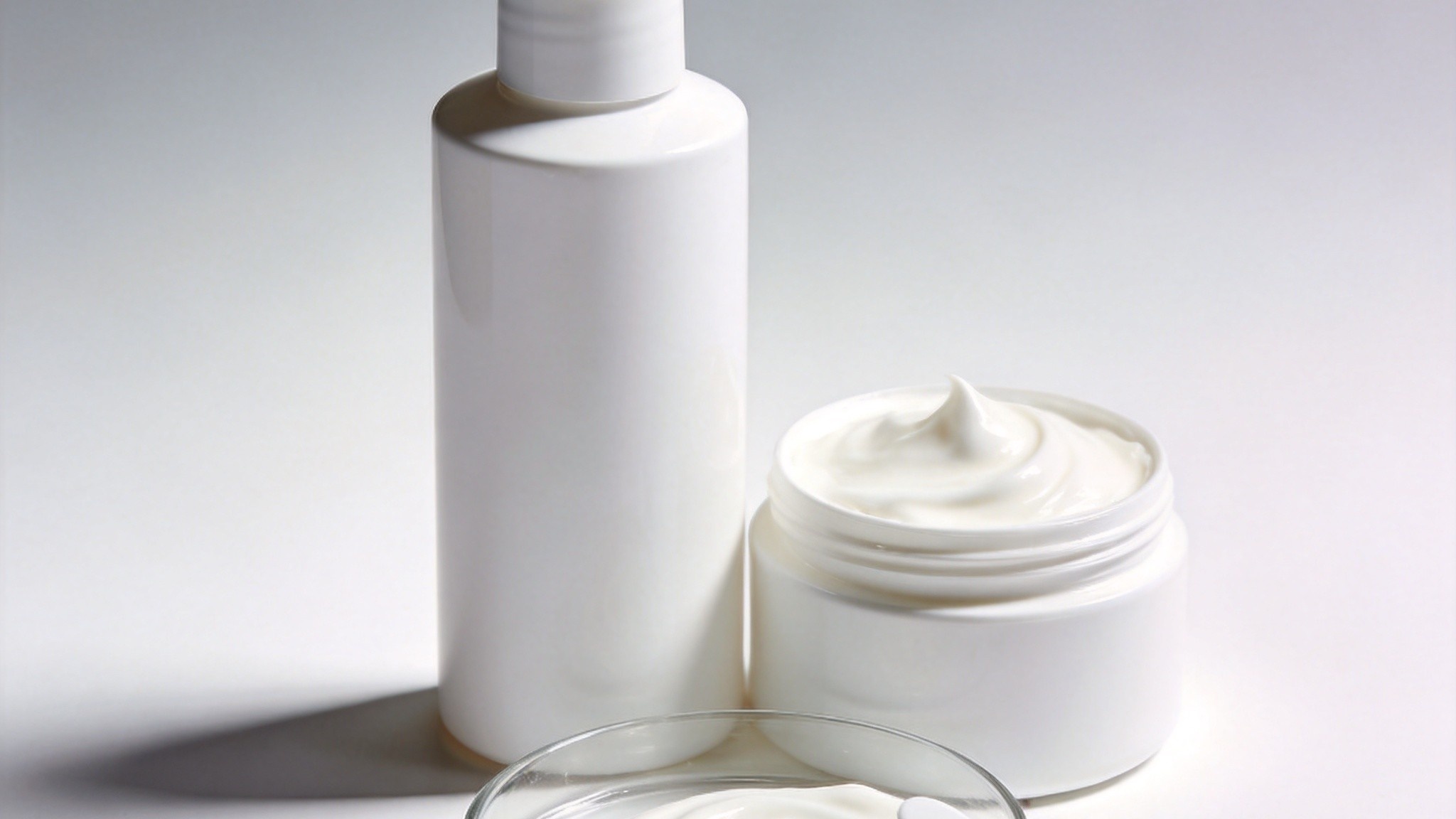
Formulation work demands high technical precision at every step. Organic cosmetic ingredients often behave differently from synthetic options. Natural variability can affect texture, stability, and shelf life. Therefore, test every single batch under realistic conditions. This testing ensures consistent performance in your finished products. Preservation deserves special attention during formulation. Natural emulsions can support more microbial growth than synthetic bases. Use approved natural preservative systems from the very start. Additionally, pair compatible ingredients to prevent unwanted reactions. Small pilot batches prove a formula before full production begins. Rheology modifiers and natural thickeners need careful dosage studies. Sensory qualities, such as feel and absorption, vary between batches. Work closely with your lab to document every formula change. Also, source organic cosmetic ingredients that ship with reliable consistency. Steady inputs make formulation work dramatically easier.
Marketing Natural Cosmetic Ingredients to Modern Buyers
Your marketing must match the honesty of your ingredients. Natural cosmetic ingredients deserve clear, accurate, and verified claims. Avoid vague phrases that regulators and critics question quickly. Instead, highlight real certifications and independent test results. Modern buyers reward brands that actually prove their promises. Storytelling creates powerful emotional connections with shoppers. Share where ingredients grow and how they are harvested. Use simple language that any customer can understand immediately. Also, publish your complete source list openly on your website. Transparency converts curious browsers into loyal repeat customers. Education builds lasting trust within your category. Write guides that explain natural ingredient benefits honestly. Show side-by-side comparisons with conventional formulas. Partner with chemists who can answer technical questions in public. Finally, monitor feedback, refine claims over time, and build a strong, defensible natural brand.