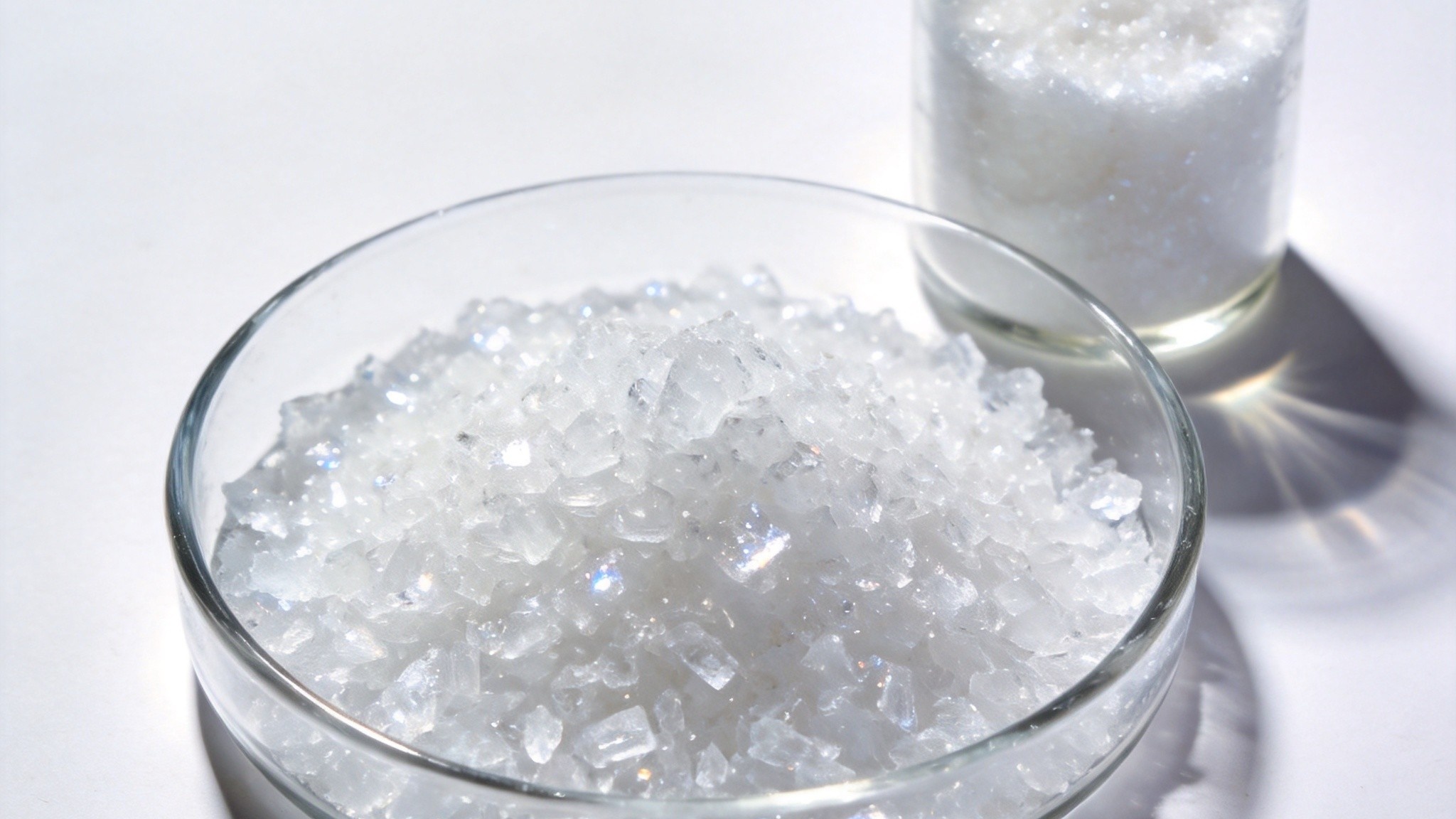
Best Natural Sweeteners: A Guide for Food Brands
News Details
The Best Natural Sweeteners for Modern Food Brands
Natural sweeteners now define modern food production. Brands want clean and honest sweetness. This guide helps buyers choose the best natural sweeteners. Consumers check ingredient lists with great care. They quickly reject artificial additives. Natural options are winning their lasting trust. Natural food claims appear everywhere in retail today. Buyers must separate facts from hype. Reliable data guides every sourcing decision.
Why Food Brands Choose Natural Sweeteners
Natural sweeteners deliver sweetness with clear benefits. Their clean profiles support open label communication. Buyers value this transparency greatly. Stable supply is now available across global markets. Sourcing these ingredients has never been easier. Smart firms plan purchases well ahead. Natural origins improve consumer confidence instantly. Taste quality stays high with careful selection. Production runs remain smooth and predictable. Regulatory pressure favors natural alternatives continuously. Safer profiles reduce expensive compliance work. This trend will continue for many years. Natural products often command premium prices today. Retail margins look healthy for honest labels. Every brand should evaluate these opportunities. Market research shows rising demand each season. Early movers capture valuable market share. Waiting too long invites stronger competition. Flavor innovation thrives with natural raw materials. Formulators love working with versatile options. Kitchen recipes scale easily across markets. Consumer education reduces common quality complaints. Honest labels answer difficult questions quickly. Trust compounds with every successful launch.
The Best Natural Sweeteners for Tea
Tea requires sweeteners that dissolve without delay. Natural sweeteners for tea must respect delicate leaves. Their flavor should never dominate brews. Honey adds warmth to brisk herbal blends. Maple syrup suits heavier black teas well. Extract preferences show great regional variety. Stevia delivers sweetness with no added calories. Its high intensity means very small quantities. This keeps production costs surprisingly low. Monk fruit offers a clean and rounded finish. It resists heat throughout long brewing steps. Blends with other sweeteners work extremely well. Always test sweetness levels against your formula. Natural sweeteners for tea vary in potency. Adjust dosage after every small trial. Packaging must protect aroma and texture fully. Airtight storage preserves freshness for months. Reliable suppliers guarantee consistent quality. Cold brew tea also benefits from liquid forms. Honey dissolves easily in chilled water. Test sweetness before final packaging. Seasonal teas deserve flexible sweetening strategies. Rotate sources based on harvest availability. Adapt your menu to customer preferences.
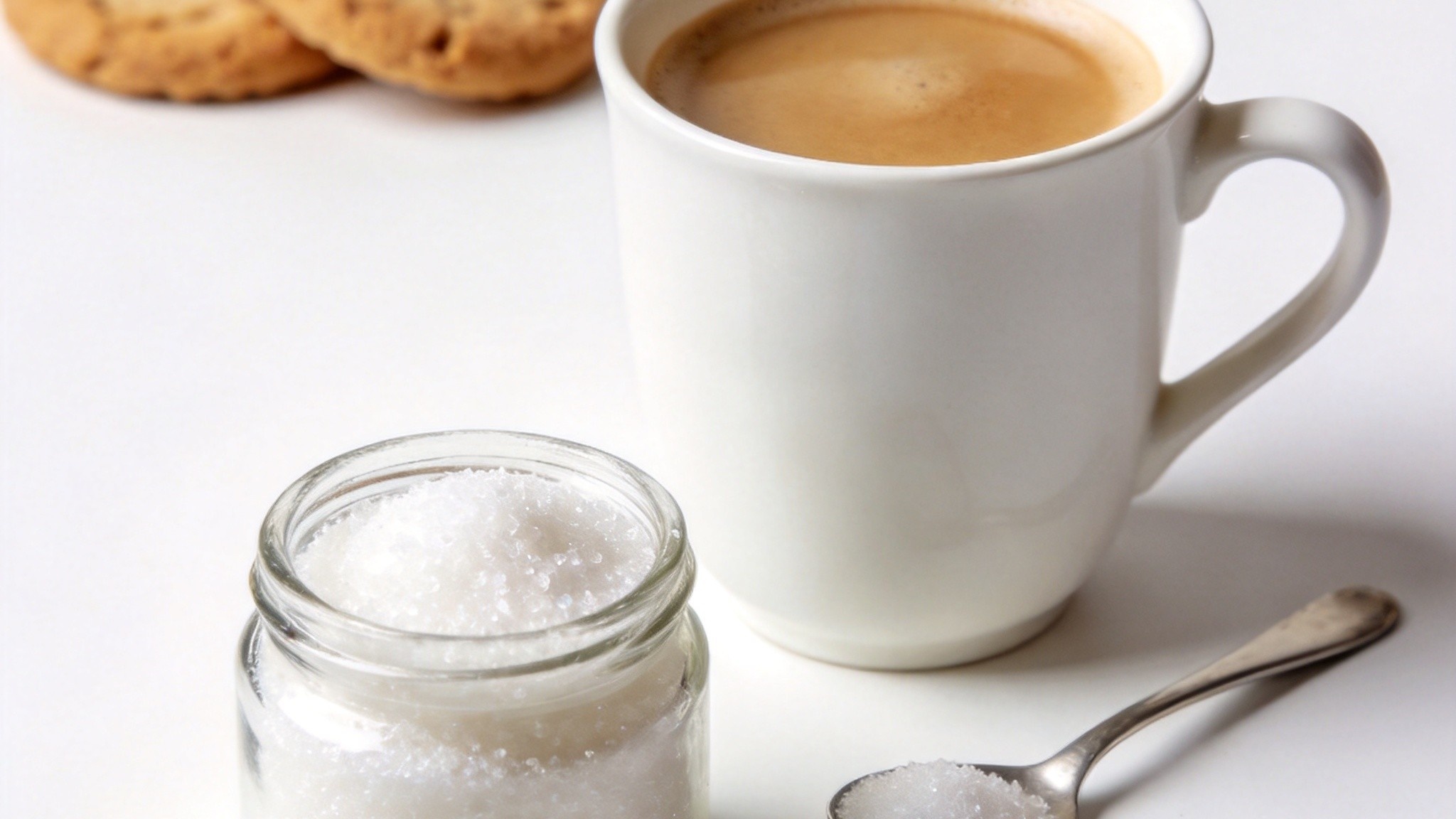
Selecting the Right Natural Sweetener for Coffee
Coffee demands sweeteners that survive extreme heat. The best natural sweetener for coffee stays stable. Some options shift flavor when heated. Erythritol works well with roasted bean notes. Allulose caramelizes beautifully in hot drinks. Sweetness profiles differ across every source. Consider how sweetness interacts with acidity. Balanced pairings make coffee taste smoother. Poor matches create bitter lingering aftertastes. Soluble forms mix faster in cold beverages. Granular types suit traditional hot brewing. Match format to your exact production line. Ask suppliers for detailed product specifications. Confirm particle size and moisture content. Small differences change final cup quality. Test each candidate through professional sensory panels. The best natural sweetener for coffee emerges clearly. Data removes all guesswork from decisions. Cold coffee drinks need highly soluble sweeteners. Allulose performs well in iced lattes. Check clarity in every final serving. Price stability matters for annual contracts. Hedge against unpredictable raw material costs. Negotiate volume discounts with key partners.
How to Source High-Quality Natural Sweeteners
Partner with suppliers who share full certificates. Request samples from every shortlisted vendor. Verify purity through independent laboratory testing. Confirm production dates and storage conditions carefully. Natural sweeteners for tea and coffee need dry rooms. Excess moisture ruins texture and taste. Document every specification in formal purchase terms. Reliable logistics prevent costly production delays. Long-term partnerships reduce total costs. Audit supplier facilities before signing contracts. Check cleaning routines on every processing line. Traceability must cover raw material origin. Establish clear quality thresholds in advance. Reject inconsistent batches without hesitation. Consistent supply protects your brand image. Review shelf life and packing standards regularly. Strong vendor relations support urgent restocking. Planning ahead keeps your pipeline full. Train staff on incoming quality checks. Consistent inspection prevents hidden surprises. Everyone owns the final product standard. Monitor market trends for new alternatives. Early adoption offers competitive advantages. Refresh your portfolio at the right time. Choose sweeteners that match your product identity. Focus on taste, stability, and honest suppliers. The best natural sweeteners reward careful buyers. Test thoroughly before any full production run. Partner with suppliers who prove their quality. Your customers will trust every single sip.