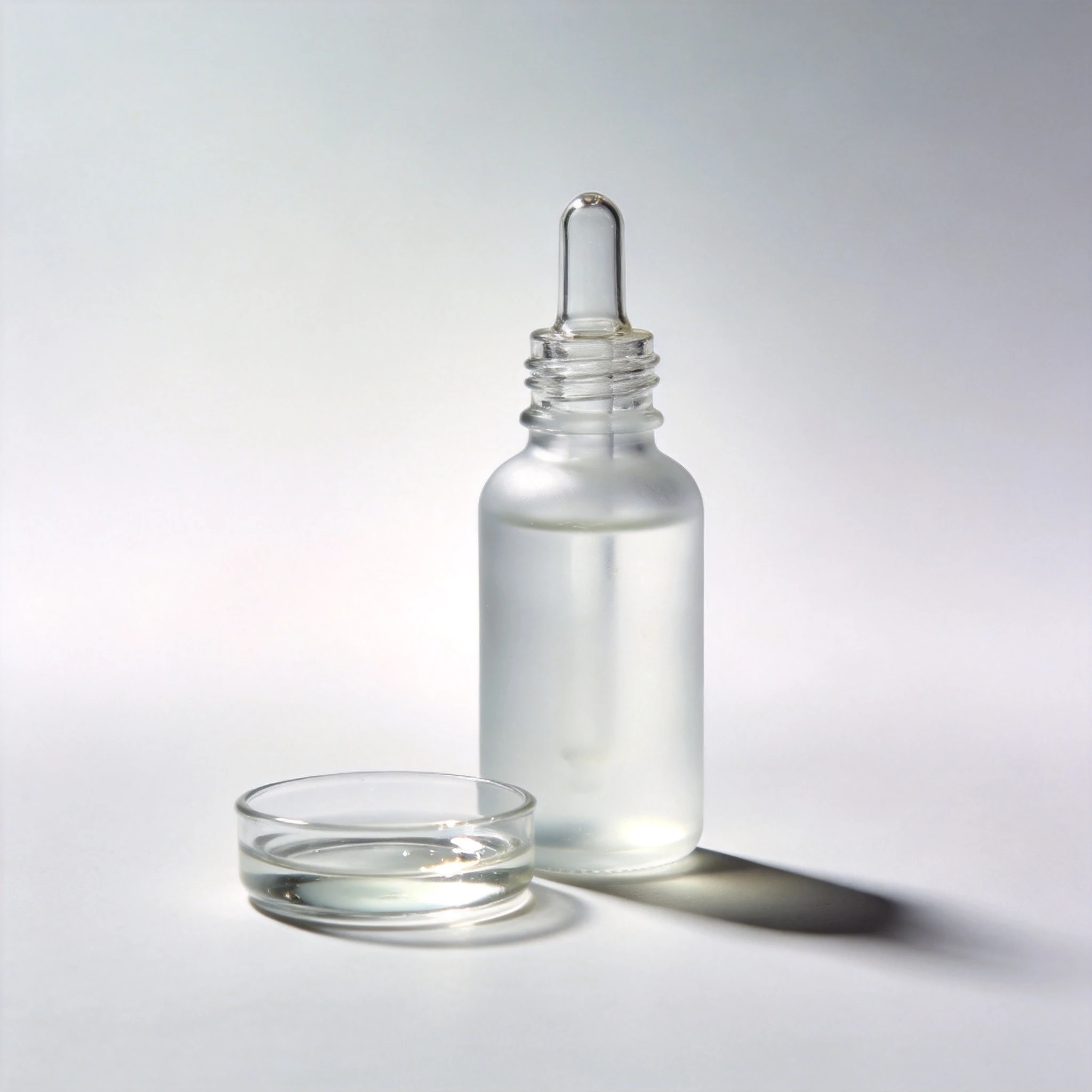
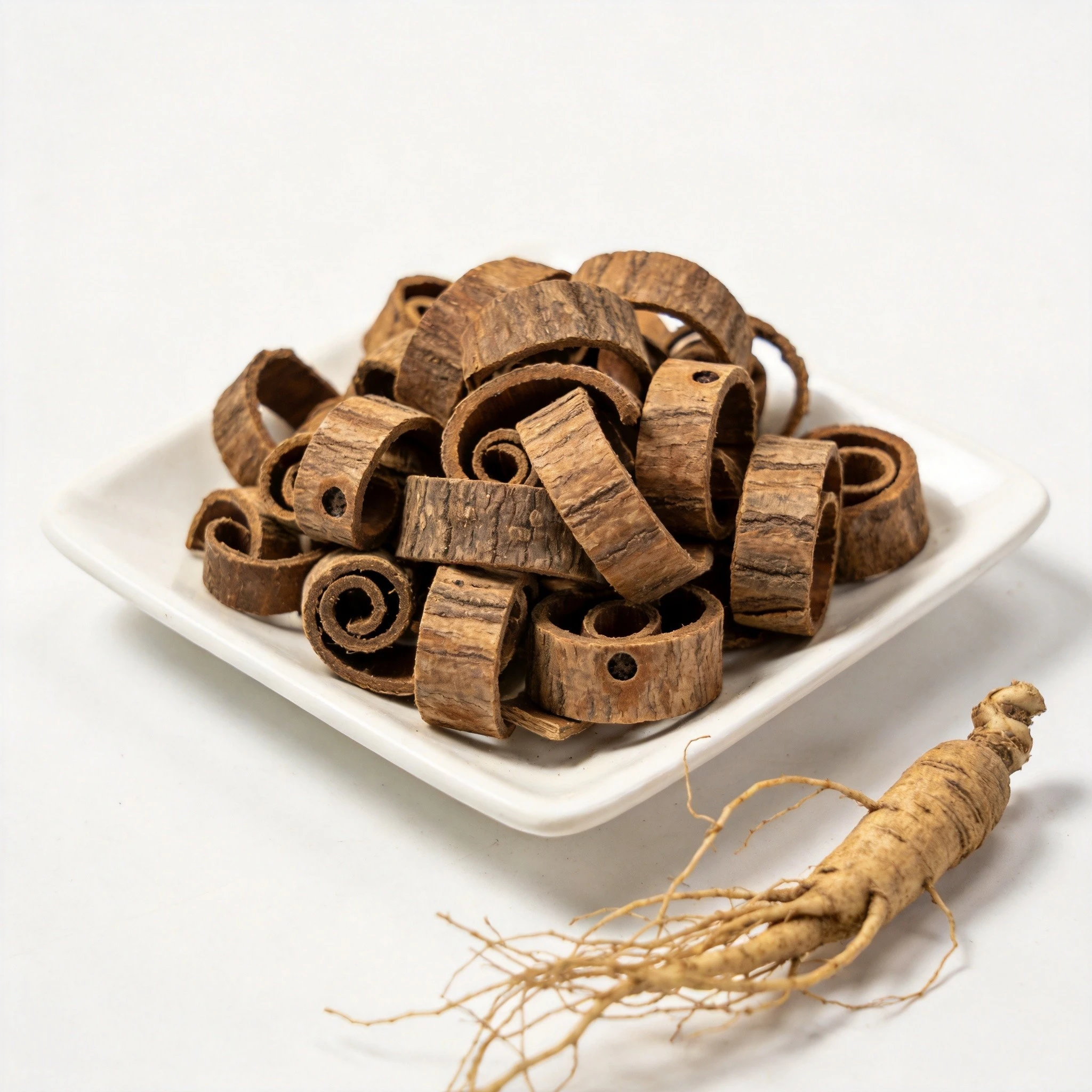
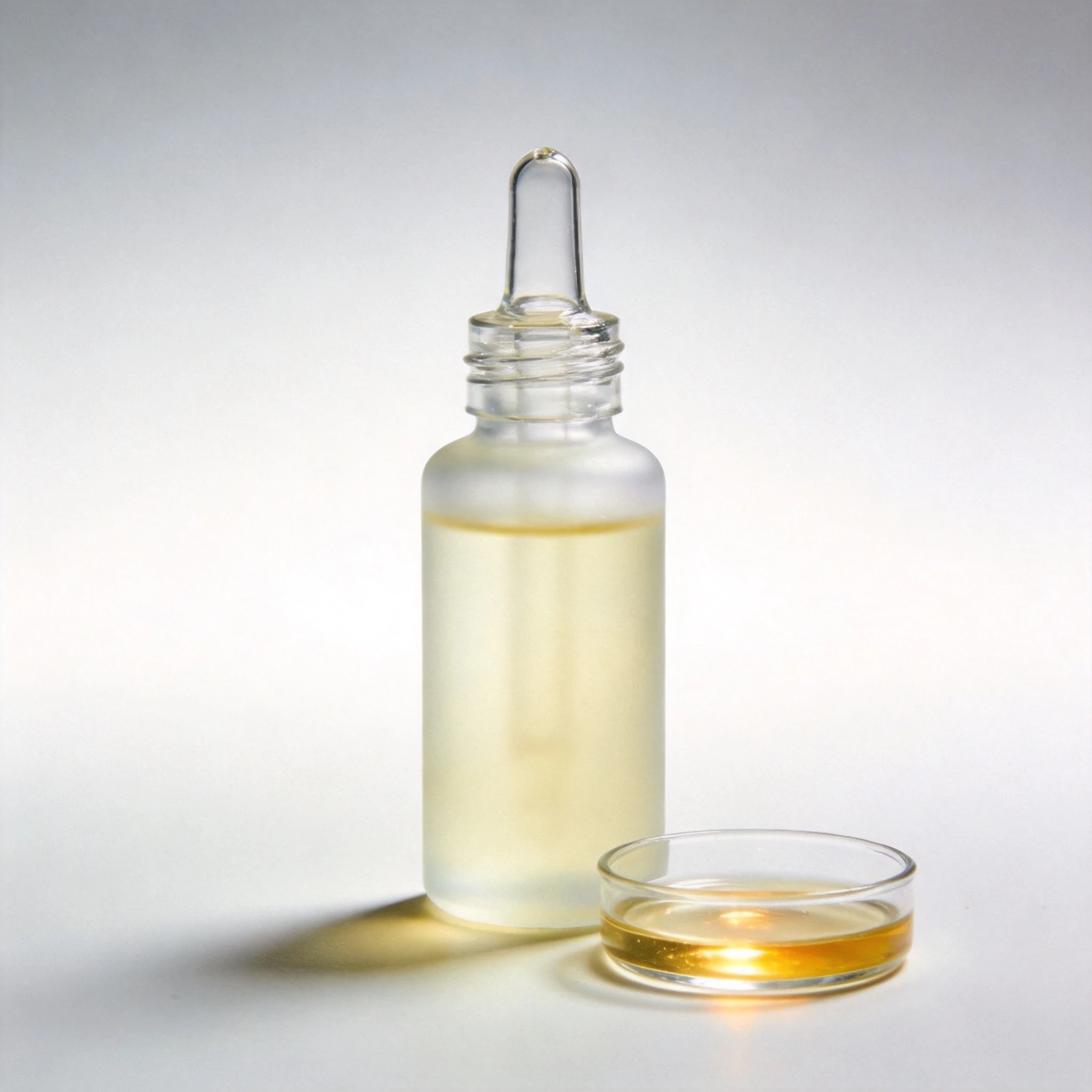
Overview. Dendrobium officinale — Tie Pi Shi Hu, the "iron-skinned dendrobium" — is one of the most prized tonic herbs in the Chinese botanical tradition, valued for nourishing, hydrating and rejuvenating properties. Its fresh stems are rich in viscous polysaccharide gums, but these large molecules are poorly absorbed by skin. YaoSynBio YS-014 overcomes this limitation through a proprietary red-yeast bio-transformation process: the fermented stem material yields a colorless, crystal-clear liquid (pH 4.5–5.5) in which the actives have been liberated and upgraded by microbial enzymes.
Mechanism. During red-yeast fermentation, enzyme hydrolysis cleaves macromolecular dendrobium polysaccharides into monosaccharides and oligosaccharides that penetrate and hydrate far more effectively, while simultaneously releasing and enriching phenolic actives — measured increases of 25.4% in flavonoids and 47% in polyphenols versus conventional extraction. Functionally, the extract inhibits senescence-associated β-galactosidase (SA-β-Gal) activity in a dose-dependent manner, a direct marker of cellular aging, while its enriched polyphenols deliver antioxidant and anti-inflammatory protection and its sugar fraction supports lasting hydration.
Applications. Recommended at 2.0%–5.0%, YS-014 is designed for anti-aging serums and essences, antioxidant and anti-inflammatory care, deeply hydrating products and premium "heritage herb, modern science" positioning. Its crystal-clear, colorless appearance makes it especially easy to formulate into transparent toners, essences and lightweight emulsions, and it is compliant for cosmetic use across the EU and US.