The Ultimate Guide to Natural Red Food Coloring
News Details
Why Natural Red Food Coloring Matters
Natural red food coloring is gaining attention as food manufacturers respond to demand for recognizable ingredients and clean-label products. Derived from sources such as beetroot, paprika, and certain fruits, natural red colorants can provide attractive shades for a wide range of applications. Bakeries, beverage producers, confectionery brands, and dairy manufacturers use red food coloring to enhance product appearance. The right colorant depends on the formulation, processing conditions, and desired shade.
Natural Red Food Coloring vs. Synthetic Dyes
Natural and synthetic food colorants differ in their sources, performance, and labeling requirements. Natural red food coloring is typically derived from plant or other permitted natural sources, while synthetic dyes are manufactured through chemical processes. Natural alternatives can support clean-label product development, but their performance varies. Some colors are sensitive to heat, light, oxygen, or pH changes, which may affect the final shade and shelf life. Manufacturers should evaluate color intensity, flavor impact, stability, and applicable food regulations before replacing synthetic dyes. Product testing helps identify a suitable option without compromising quality.
Applications of Organic Food Coloring
Organic food coloring can be used in selected bakery products, confectionery, beverages, dairy products, and other foods, depending on the colorant's properties and certification status. Water-dispersible formulations may suit beverages and syrups, while oil-dispersible options can work better in fat-based products. Frostings, gummies, ice cream, and chocolate coatings each have different processing and stability requirements. For B2B buyers, choosing the right formulation is essential for achieving consistent color across production batches. Organic claims should also be supported by valid certifications and comply with the regulations of the target market.
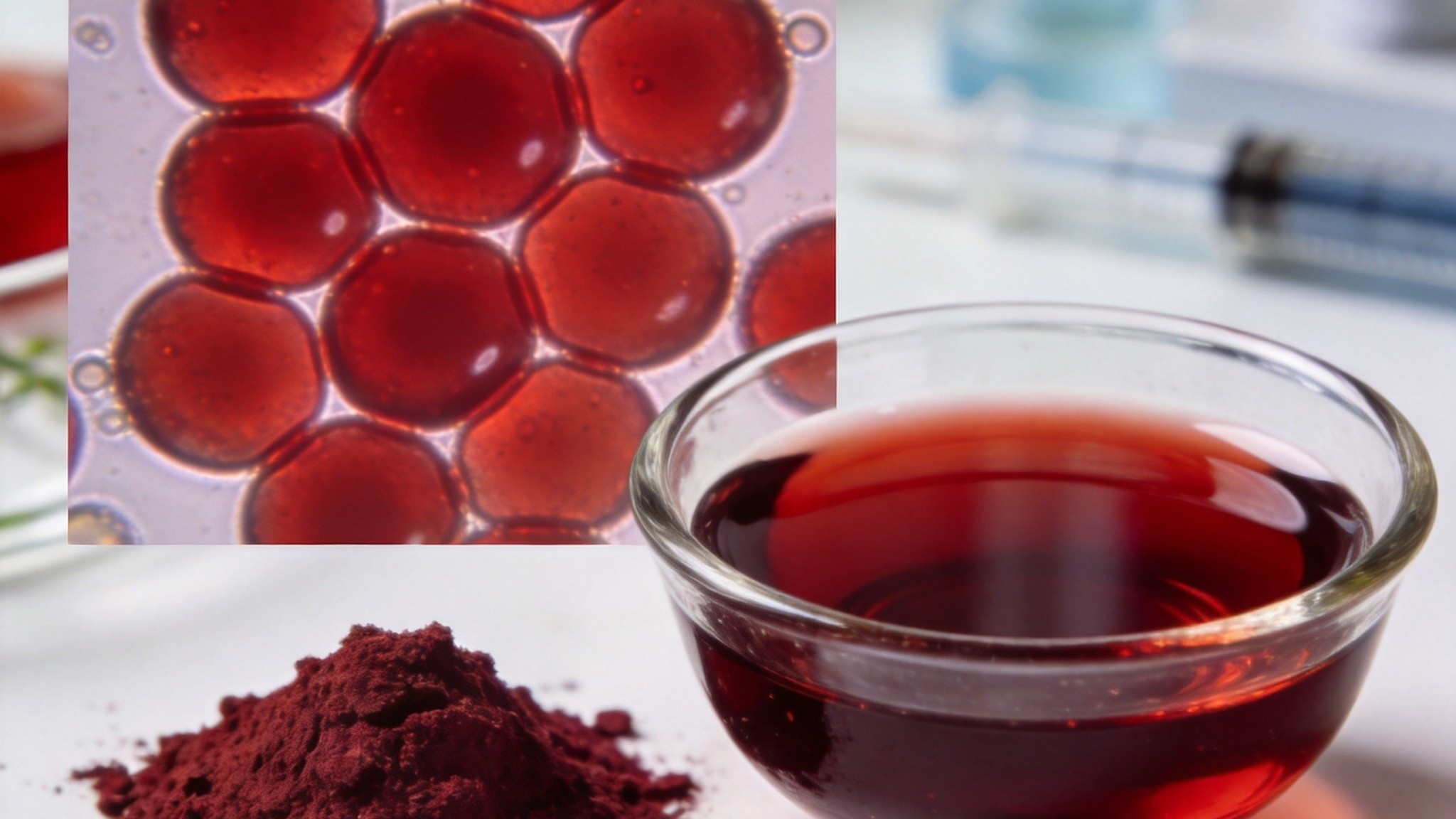
Choosing the Right Natural Food Dye
When sourcing a natural food dye, consider the following factors:
-
Color performance: Check the shade, concentration, and dosage required.
-
Processing stability: Test the color under actual heat, light, and pH conditions.
-
Product compatibility: Confirm whether the formulation dissolves or disperses properly in your recipe.
-
Quality consistency: Request technical specifications, batch records, and relevant test data.
-
Regulatory compliance: Verify permitted uses, labeling requirements, and organic certification where applicable.
Before placing a bulk order, test samples in the intended application and evaluate the finished product throughout its expected shelf life. Working with an experienced supplier can help streamline formulation trials and maintain consistent quality. Natural red food coloring offers food manufacturers additional options for developing products that meet changing market preferences. Careful selection and testing help balance appearance, stability, and regulatory requirements.