Natural Food Additives: A Complete Guide for B2B Manufacturers and Suppliers
News Details
Natural Food Additives for Modern Food Production
Natural food additives serve as the foundation of modern clean-label food formulations, offering food manufacturers reliable ways to enhance flavor, stabilize color, and extend shelf life in processed foods. Consumer demand for transparent labeling continues to drive ingredient innovation. Natural additives bridge the gap between organoleptic performance and supply chain transparency, making smart sourcing essential for food formulation teams. Food processors worldwide continue to replace synthetic chemicals with plant-derived solutions to boost food safety, protect brand reputation, and satisfy retail requirements. No longer a niche market, natural additives now play critical roles across beverages, snacks, bakery, dairy, and sauces. Understanding their functional properties enables purchasing teams to make confident, cost-effective procurement decisions.
What Are Natural Food Additives?
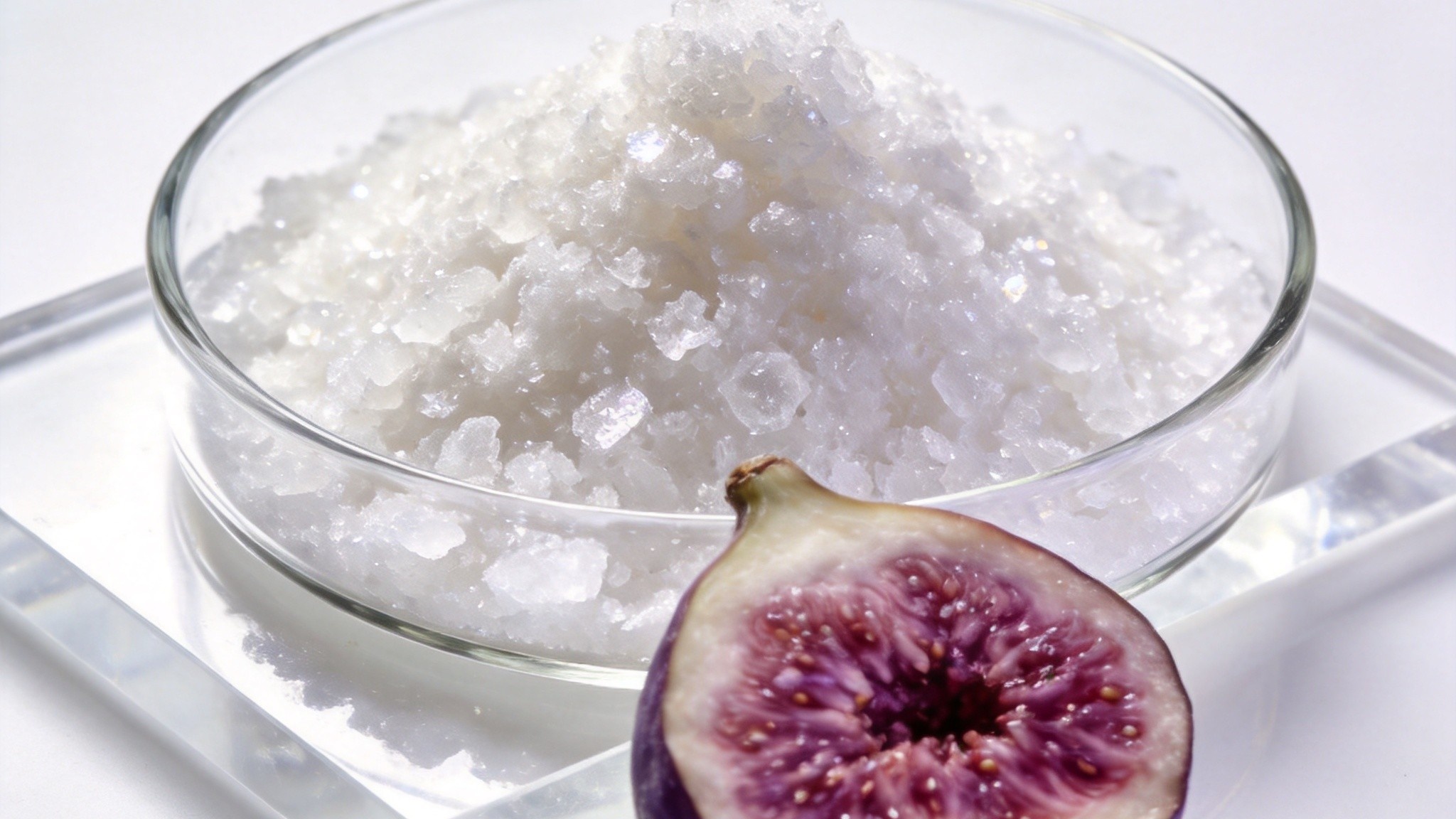
Natural food additives originate from botanical sources, mineral deposits, or precision microbial fermentation. These ingredients act as natural colorants, hydrocolloid thickeners, antioxidants, and emulsifiers, with common examples including beet juice concentrates, citrus fibers, and rosemary extracts. Most natural additives occur organically in everyday foods and undergo rigorous scientific evaluations by global regulatory agencies before receiving standardized food code approvals. Natural origin does not eliminate the need for quality assurance. Professional procurement teams must evaluate dosage limits, active purity, and matrix interactions while ensuring suppliers provide batch-specific Certificates of Analysis (CoA) and Safety Data Sheets (SDS). Labeling regulations vary across international target markets. Verifying regional regulatory compliance during early formulation stages prevents costly regulatory hurdles and product delays down the line.
Key Benefits of Natural Food Additives
Natural ingredients enable clean, recognizable ingredient statements that build consumer trust and drive repeat purchases across retail and food service channels. High-performance natural additives improve product shelf-life by delaying lipid oxidation and protecting sensitive pigments from light degradation, reducing food waste across distribution networks. Clean-label formulations allow brands to target premium market segments, supporting higher price margins and earning prime shelf placement from major retailers. Custom plant-based solutions offer product developers greater creative freedom, enabling distinct mouthfeel, vibrant visual appeal, and clean flavor profiles in competitive food categories.
How to Choose a Natural Food Additives Supplier
Selecting a reliable ingredient manufacturer requires a systematic audit process. Buyers should review GFSI-recognized food safety certifications, third-party facility audits, and allergen control protocols upfront. Requesting representative pilot samples allows technical teams to run production-line trials to evaluate heat stability, flavor impact, and color persistence under actual processing conditions. Confirming supplier production capacity and lead times is critical when dealing with seasonal botanical raw materials. Established suppliers maintain multi-regional sourcing networks to mitigate crop shortage risks. Evaluating long-term technical support, regulatory assistance, and supply chain transparency ensures your supplier functions as a strategic innovation partner rather than a mere commodity vendor.
Trends Shaping Natural Food Additives
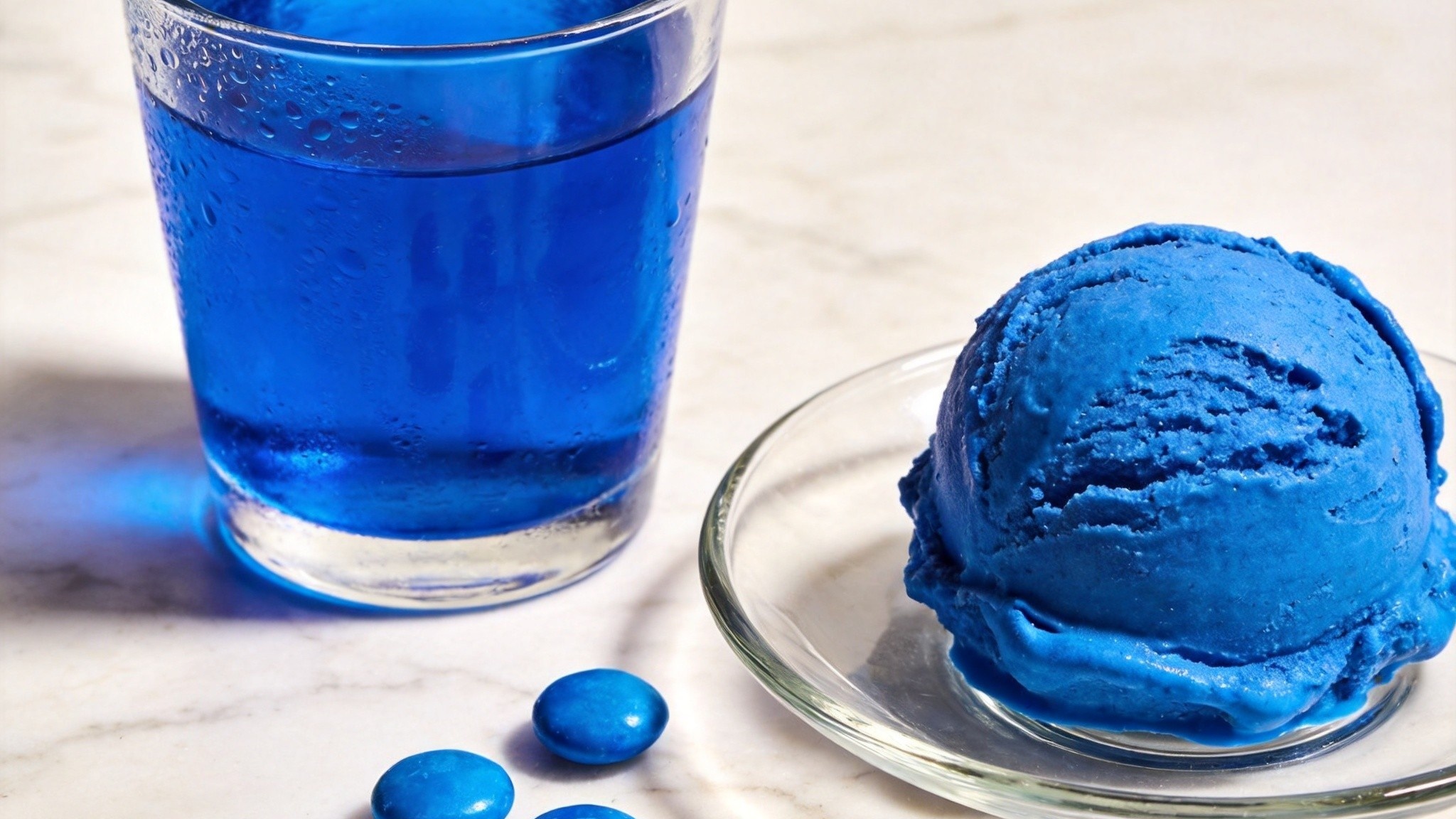
Plant-derived colorants continue to displace artificial dyes, while precision fermentation expands the functional capabilities of clean-label preservation and emulsification. Upcycled agricultural side-streams are also creating sustainable new hydrocolloid sources. Digital supply chain traceability allows procurement teams to verify raw material origins from farm to factory, reducing compliance risk and increasing consumer confidence. Clean-label reformulations and personalized nutrition will drive future product launches. Food brands that align their sourcing strategies with clean-label trends today will secure a lasting market advantage.