Food Coloring Powder: A Complete Guide to Natural and Organic Choices
News Details
Food Coloring Powder: A Complete Guide
Food coloring powder is widely used to add color to cakes, cookies, frostings, beverages, and other food products. Its concentrated form makes it convenient for both home baking and commercial food production. Compared with liquid coloring, powder can add color without significantly increasing a recipe's moisture content, making it useful for applications where consistency matters.
What Is Food Coloring Powder?
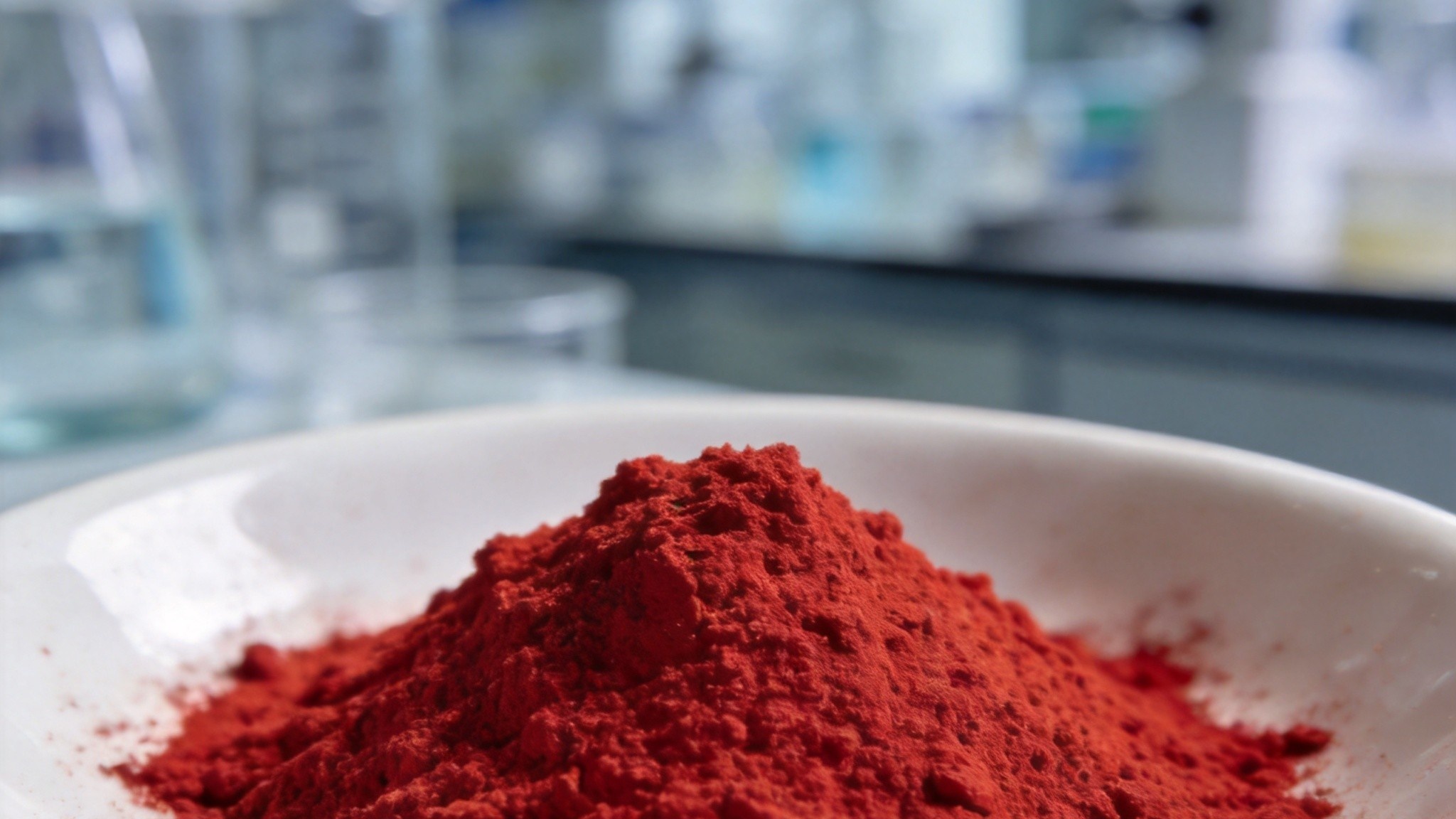
Food coloring powder is a dry coloring ingredient available in synthetic and natural formulations. Depending on its composition, it can be dispersed or dissolved in suitable liquids and incorporated into different recipes. Powdered food dye is commonly used in cake batters, icing, confectionery, and dry mixes. It is easy to store and transport, and its low moisture content can support a longer shelf life when properly packaged. However, solubility and color performance vary by formulation, so buyers should check the product specifications before use.
Why Choose Organic Food Dye Powder?
Organic food dye powder is made from qualifying agricultural ingredients grown and processed according to applicable organic standards. Common natural color sources include beetroot, turmeric, and other plant materials. These ingredients can provide shades ranging from yellow and orange to red and pink. For businesses seeking plant-derived coloring ingredients, organic options may support clean-label product development. However, organic certification does not automatically mean a colorant is safer or more suitable for every application. Buyers should review certification documents, ingredient declarations, and applicable food regulations. Natural pigments can also behave differently from synthetic colorants. Their shade and stability may be affected by heat, light, acidity, and the surrounding ingredients. Testing the powder in the intended recipe is important for achieving consistent results.
How to Use Natural Food Colouring Powder
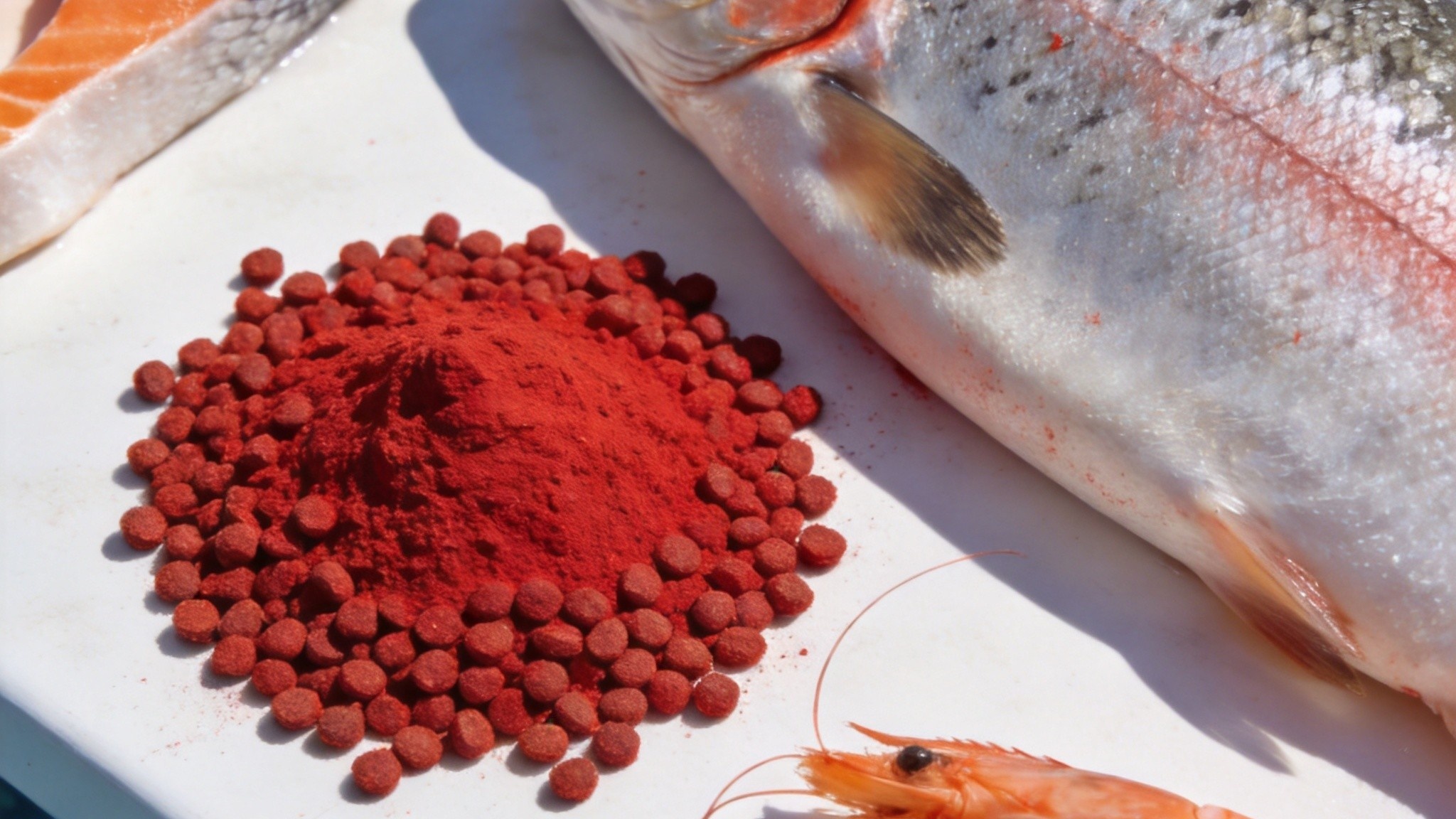
Natural food colouring powder can be incorporated into frosting, batter, confectionery, and other suitable food products. Depending on the formulation, it may be mixed directly into dry ingredients or dispersed in a compatible liquid before use. Start with a small amount and gradually adjust the dosage to achieve the desired shade. Some powders dissolve readily in water, while others disperse better in oil or other food ingredients. Always follow the supplier's recommended usage instructions. Heat and pH can affect natural colorants, so testing under actual processing conditions is essential. Light-colored bases, such as vanilla frosting or white icing, generally make it easier to achieve visible and consistent colors.
Tips for Choosing the Best Food Coloring Powder
When selecting food coloring powder, consider its source, intended application, color strength, and stability. Check the ingredient list and technical specifications to confirm that the product is suitable for your food formulation. For organic products, verify relevant certification and documentation rather than relying on marketing claims alone. Commercial buyers should also review applicable food-grade requirements, recommended dosage, batch consistency, and supplier quality controls. Proper storage helps preserve product quality. Keep the powder in a tightly sealed package in a cool, dry place, following the manufacturer's storage instructions. For bulk purchases, request samples and test color performance before committing to a larger order. Food coloring powder offers a practical solution for adding color to a wide range of food products. By comparing ingredients, application requirements, and color stability, buyers can select a suitable option for baking, confectionery, beverages, or commercial food manufacturing.